Style guides
Small Living Room Layout Ideas: 5 Arrangements to Make the Most of Your Space
Updated By Leena8 min read
Design My Living Room
In short
Make a small living room feel more functional with practical layout ideas for seating, circulation, rugs, storage, furniture scale, and everyday use.
A small living room can make every decision feel magnified. The chair that looked perfect in the store suddenly blocks the path; the coffee table seems to take up half the floor. Before you assume the room needs more storage or a whole new set of furniture - start by asking what really deserves the space.
The most comfortable small-room layouts aren’t miniature versions of big living rooms. They’re built around the way you live, with enough seating for your routines, a clear route through the room, and furniture that fits without making every inch feel spoken for.
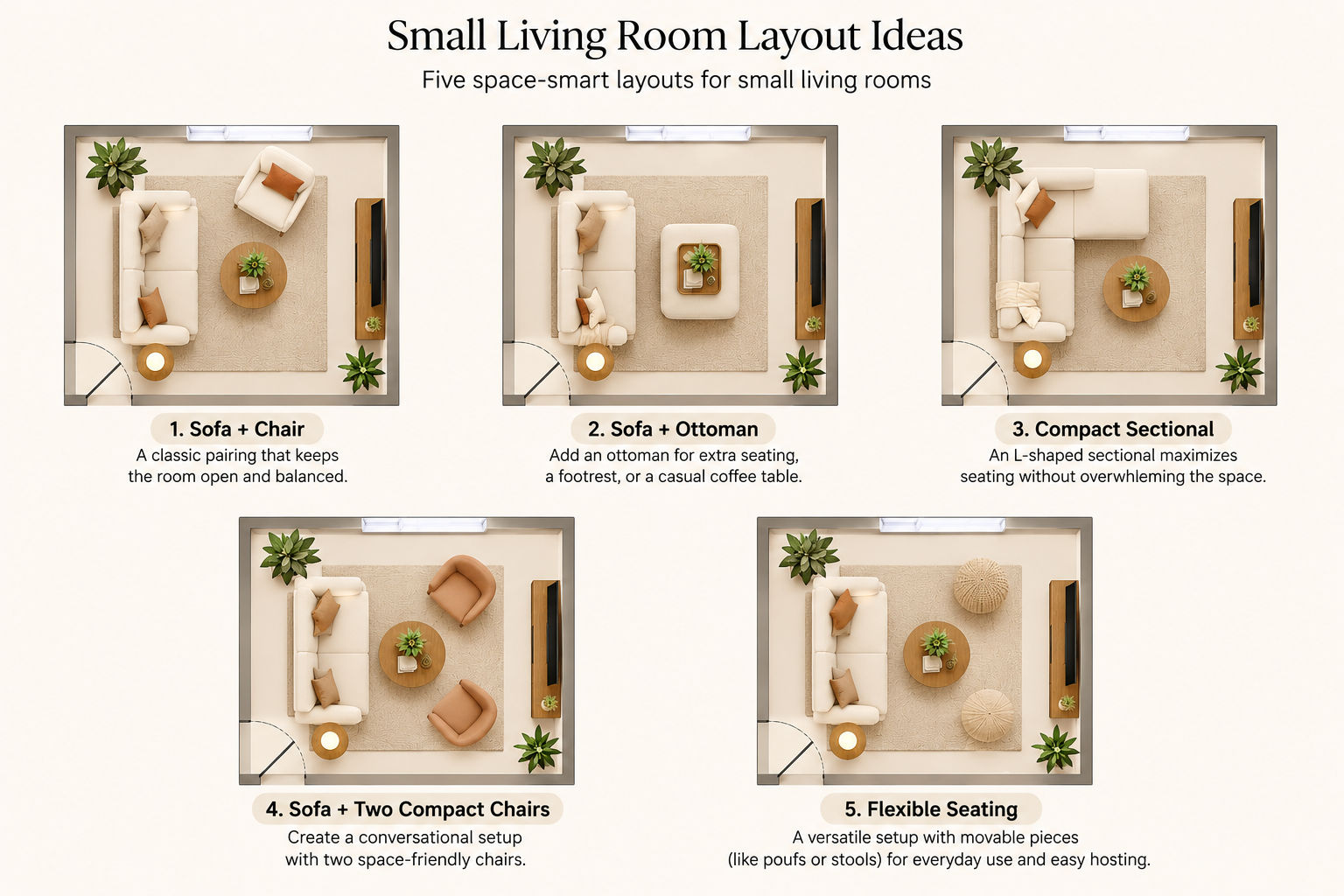
Start With the Room, Not the Furniture
If you want the quickest place to start, skip the tiny styling decisions for a moment and look at the five layouts below. Pick the one that resembles your room and your routine, then fine-tune the furniture size and walking route.
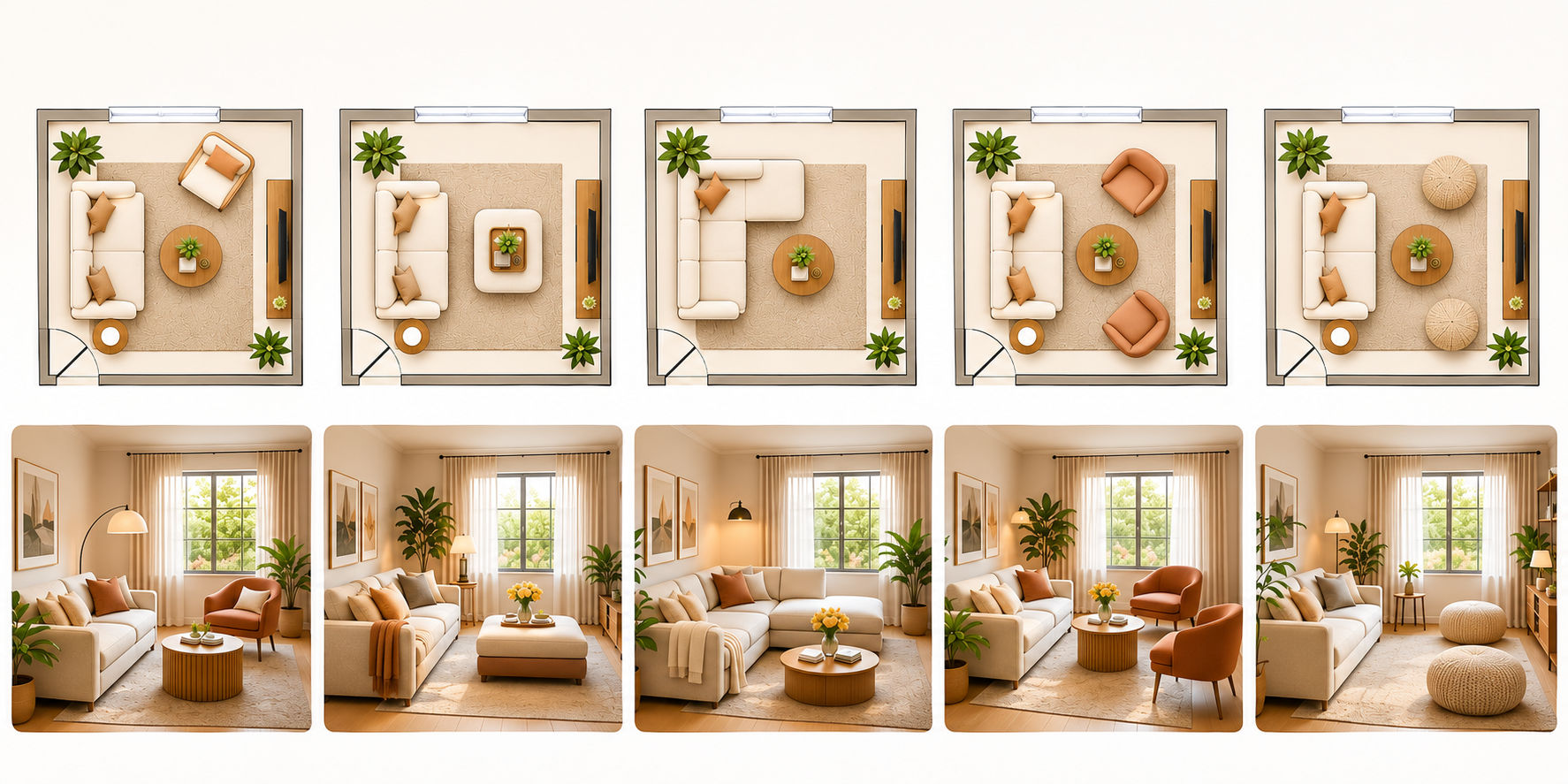
Five Small Living Room Layouts to Try
1. Sofa + one chair
A straightforward option for rooms that need a comfortable place to sit without filling every corner. Keep the path open and add a small side table only if it fits naturally.
Sofas perfect for small living rooms
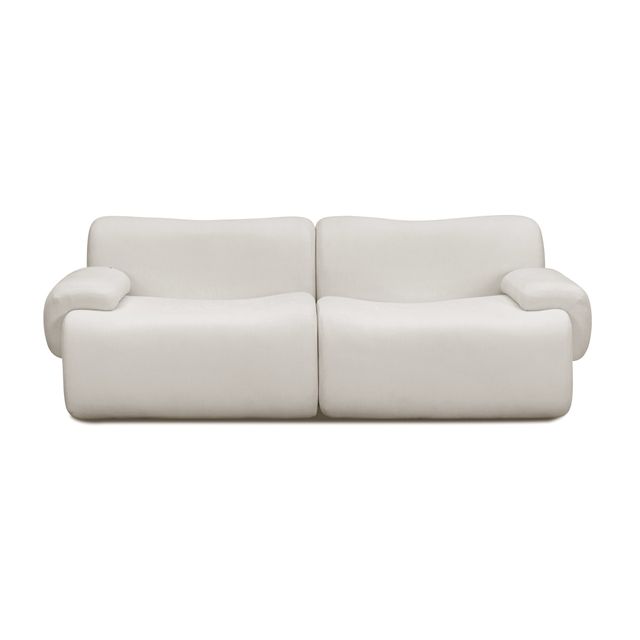 Luna & LuxeModern 80-Inch Modular Loveseat in Velvet or Fabric$1,499
$1,798.80View on the shop Luna & LuxePleated Performance Velvet Sofa with Rolled Arms$1,599
$1,918.80View on the shop Luna & Luxe70-Inch Pleated Velvet Rolled-Arm Loveseat$1,299
$1,558.80View on the shop Luna & Luxe84-Inch Cream Performance Fabric Outdoor Sofa$1,299
$1,558.80View on the shop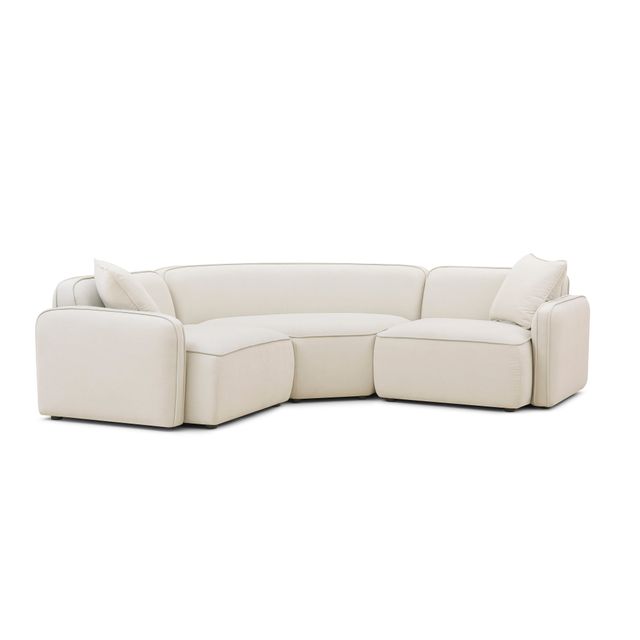 Luna & Luxe3-Piece Sand Upcycled Linen Modular L-Sectional$2,299
$2,758.80View on the shop Luna & Luxe54-Inch Cream Boucle Armless Modular Loveseat$849
$1,018.80View on the shop
2. Sofa + ottoman
An ottoman can give you a place to put your feet up, offer an extra seat, or work as a flexible surface with a tray. It’s a good choice when you want fewer pieces to do more.
Ottomans that stand out
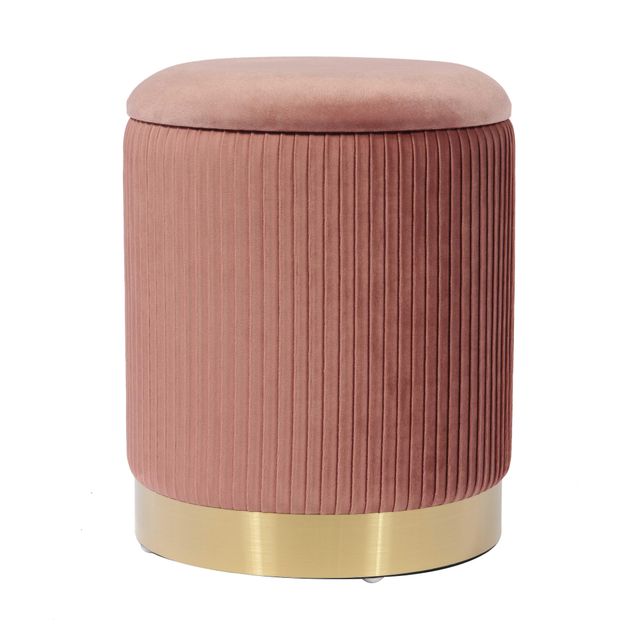 Luna & LuxeRibbed Velvet Storage Ottoman with Gold Base$69.99
$83.99View on the shop Luna & LuxeBohemian Beige Cotton Pouf Ottoman$139
$166.80View on the shop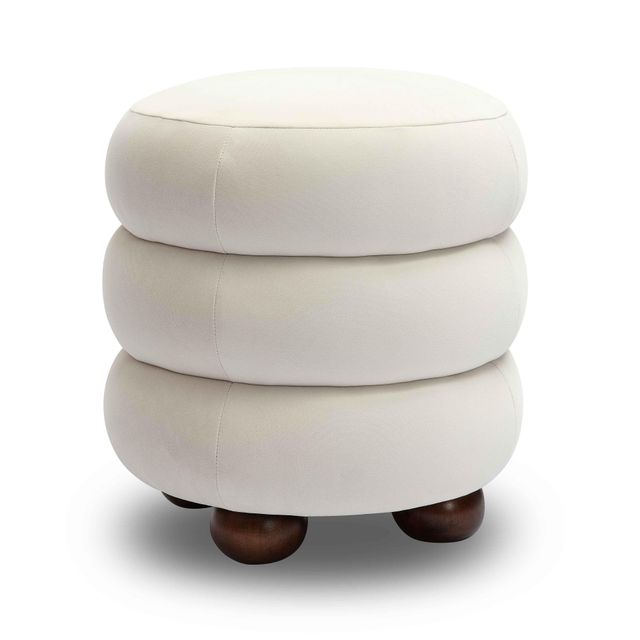 Luna & LuxeModern Channel Velvet Ottoman with Wood Orb Legs$199
$238.80View on the shop Luna & LuxeRound Tufted Performance Velvet Storage Ottoman$169
$202.80View on the shop Luna & LuxeRetro Velvet Ottoman with Tasseled Base$129
$154.80View on the shop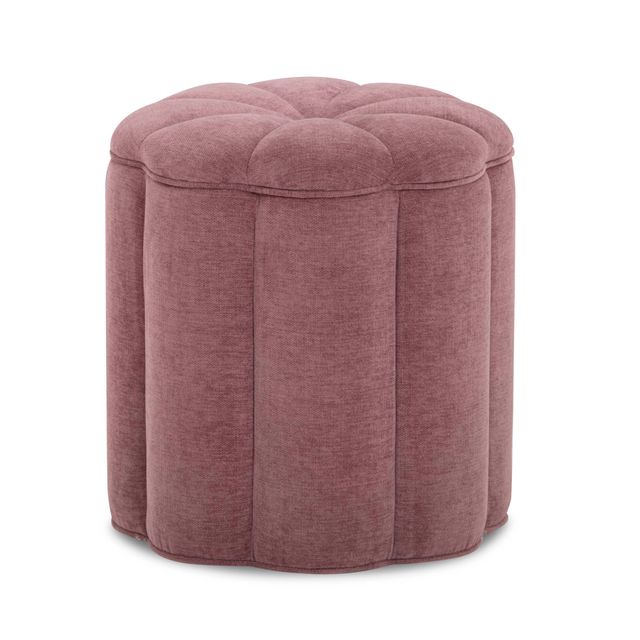 Luna & LuxeTextured Velvet Floral Storage Ottoman$179
$214.80View on the shop
3. Compact sectional
A compact sectional can make sense when one continuous seating piece fits the room better than a sofa and several chairs. Check its depth and overall footprint carefully so it doesn’t swallow the usable floor area.
Compact sectional sofas for ample seating
 Luna & Luxe8-Piece Upcycled Fabric Modular U-Sectional Sofa$5,999
$7,198.80View on the shop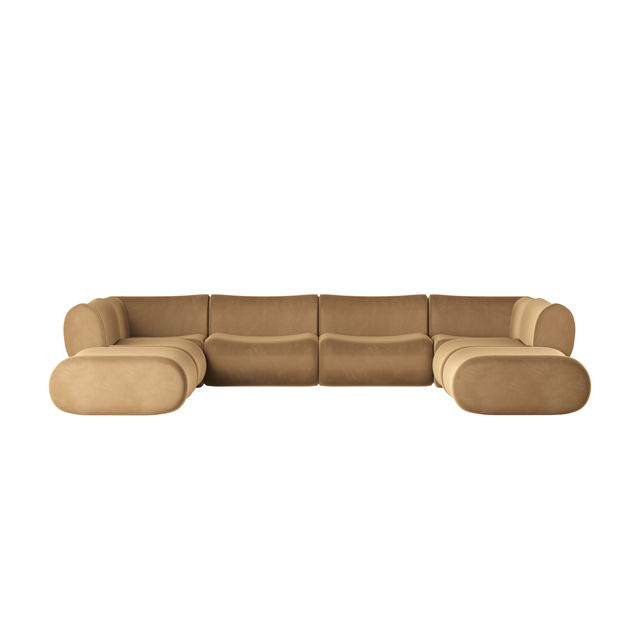 Luna & LuxeModern Latte Brown Velvet Modular U-Sectional Sofa$6,999
$8,398.80View on the shop Luna & Luxe5-Piece Modern Performance Velvet Modular Sectional$3,749
$4,498.80View on the shop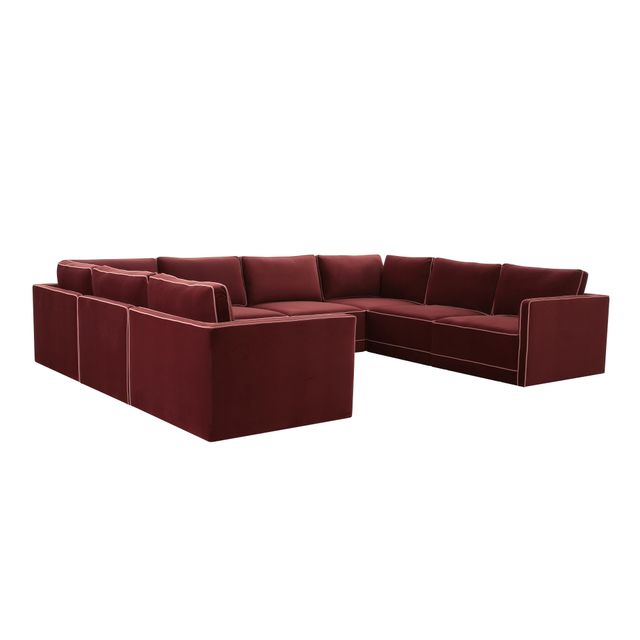 Luna & Luxe8-Piece Performance Velvet Modular U Sectional Sofa$3,999
$4,798.80View on the shop Luna & Luxe4-Piece Performance Velvet Modular Sectional Sofa$1,999
$2,398.80View on the shop Luna & LuxeCream Linen Contemporary L-Shaped Sectional Sofa$1,899
$2,278.80View on the shop
4. Sofa + two small chairs
If the room has enough width, two small chairs can create a more sociable arrangement than a single chair tucked into a corner. Make sure they don’t turn the main walkway into an obstacle course.
Chairs for your sofa
 Luna & LuxeScandinavian Textured Velvet Dining Chair with Wood Frame$279
$334.80View on the shop Luna & LuxeContemporary Performance Velvet Swivel Accent Chair$699
$838.80View on the shop Luna & LuxeContemporary Oak Dining Chair with Performance Velvet$279
$334.80View on the shop Luna & LuxeContemporary Performance Velvet Dining Chair$349
$418.80View on the shop Luna & LuxeSand Upcycled Linen Armless Accent Chair$599
$718.80View on the shop Luna & LuxeContemporary Basketweave Upholstered Ash Dining Chair$369
$442.80View on the shop
5. Flexible small-space layout
If the living room changes jobs throughout the day, choose pieces that are easy to move or rearrange. Flexibility is especially helpful when the same space has to handle relaxing, hosting, and the occasional work session.
Start with the room itself: measure the walls, doors, windows, vents, and fixed features, then check the dimensions of your existing furniture. In a small living room, a few inches can change whether a walkway feels easy or awkward.
If you’re trying a new arrangement, use painter’s tape to mark the furniture footprint on the floor. It’s a low-effort way to see whether a chair will block a door or the coffee table will crowd the sofa before you do the heavy lifting.
1. Start With One Main Seating Piece
Choose one main seating piece that fits the room and gives it a clear purpose. A compact sofa, paired with one chair or an ottoman, can feel complete without trying to squeeze in every piece you might find in a larger living room.
2. Do Not Automatically Push Everything Against the Walls
It can be tempting to push every piece against the wall to free up the center. Sometimes that helps; sometimes it leaves the seating feeling disconnected. Try a few positions and pay attention to both the conversation area and the path through the room.
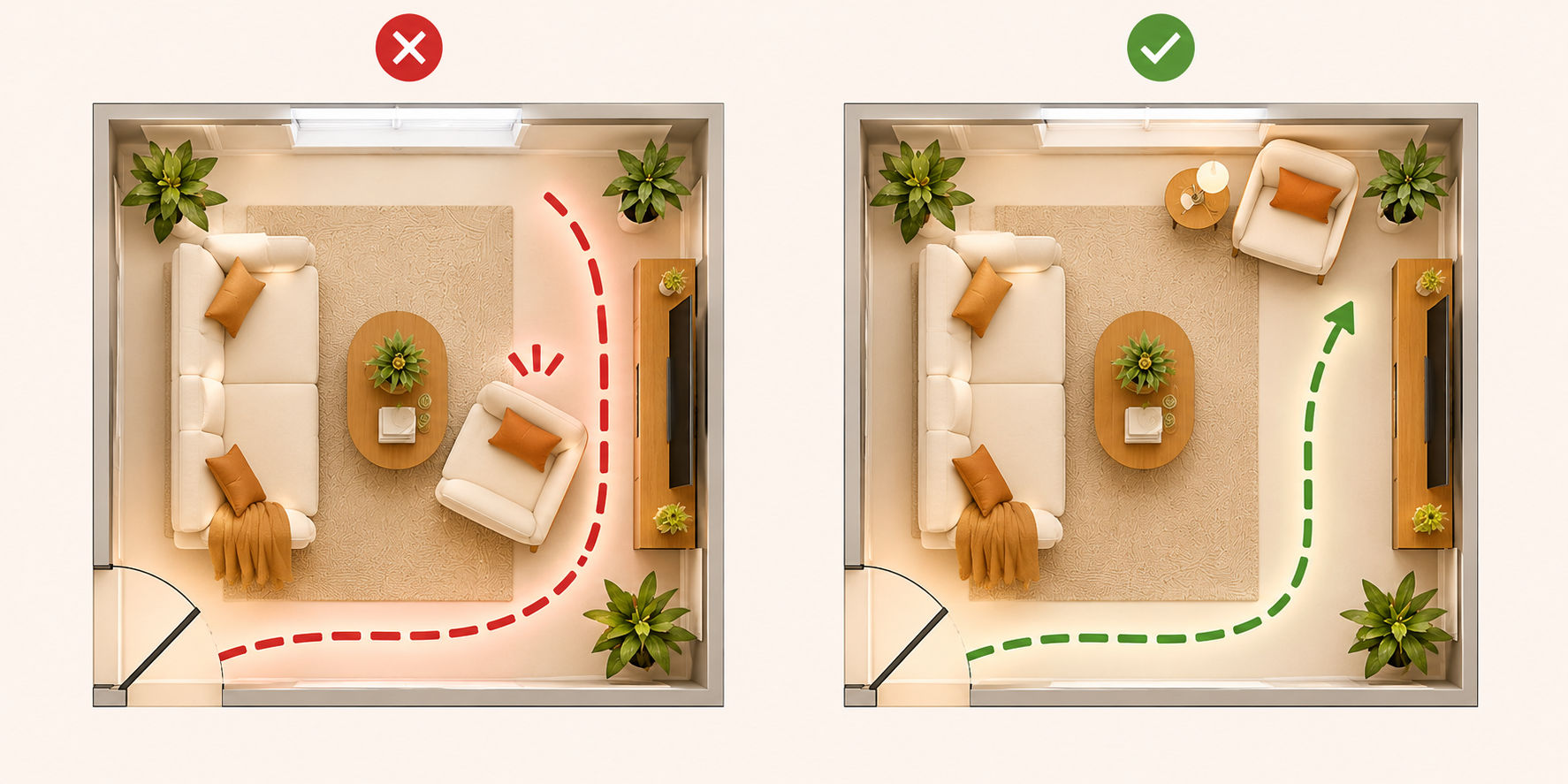
3. Protect the Main Walkway
In a small room, one badly placed chair can make the whole space feel difficult to use. Trace the route between the entrance and the places you go most
4. Choose a Coffee Table That Fits the Conversation Area
The coffee table should support the way you use the seating area, not dominate it. A round table, nesting tables, or an ottoman with a tray may be easier to live with when the space is tight. If you have to shuffle sideways to get past it, try a smaller footprint.
Modern coffee tables for your cozy living room
 Luna & LuxeModern Matte Black Coffee Table, 32–39 Inch$299
$358.80View on the shop Luna & LuxeFaux Travertine Concrete Pedestal Coffee Table$679
$814.80View on the shop Luna & Luxe59-Inch Modern Concrete Indoor/Outdoor Coffee Table$1,099
$1,318.80View on the shop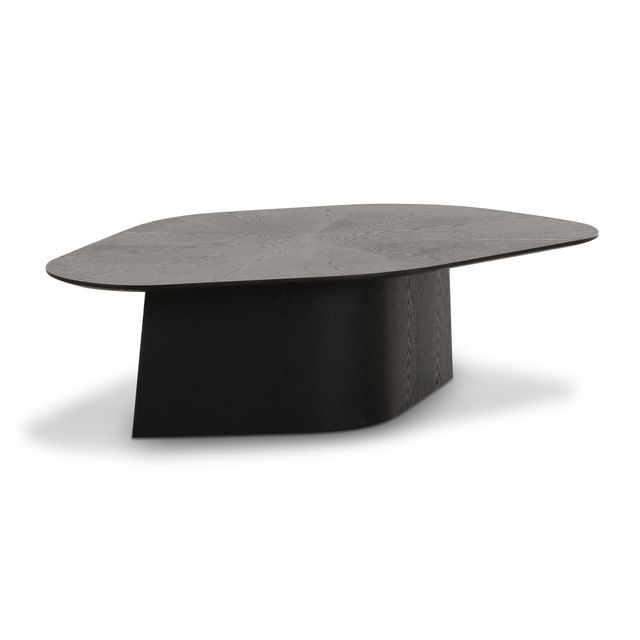 Luna & Luxe48-Inch Geometric Ash Wood Coffee Table$569
$682.80View on the shop Luna & LuxeModern Washed Ash Nesting Coffee Table Set$1,099
$1,318.80View on the shop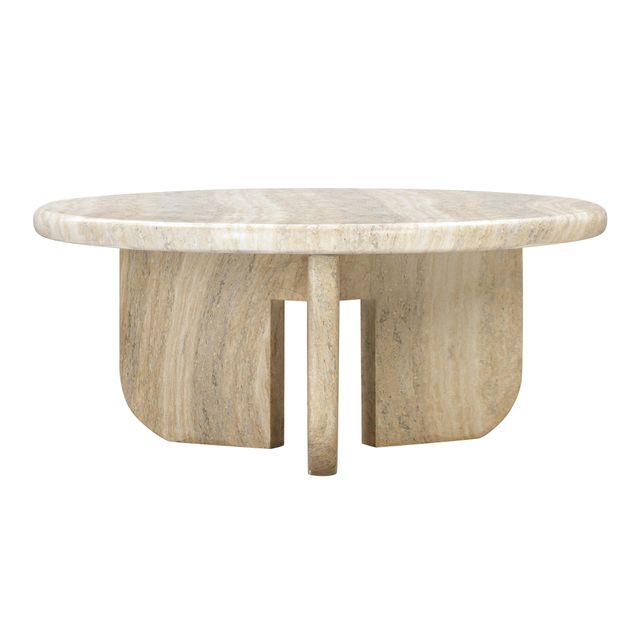 Luna & LuxeRound Faux Travertine Concrete Coffee Table$799
$958.80View on the shop
5. Use Furniture That Does More Than One Job
When every item takes up floor space, the room fills up quickly. A storage ottoman, nesting table, or bench with a purpose can earn its place by doing more than one job. Choose pieces that genuinely help your routine, not multifunctional furniture for its own sake.
6. Let the Rug Define the Seating Area
A rug can help a small room feel more pulled together by visually connecting the sofa, chair, and table. In a studio or open-plan home, it can also signal where the living area ends without putting up a wall.
Rugs that you can't miss
 Luna & LuxeOrganic Wool and Cotton Textured Area Rug$699
$838.80View on the shop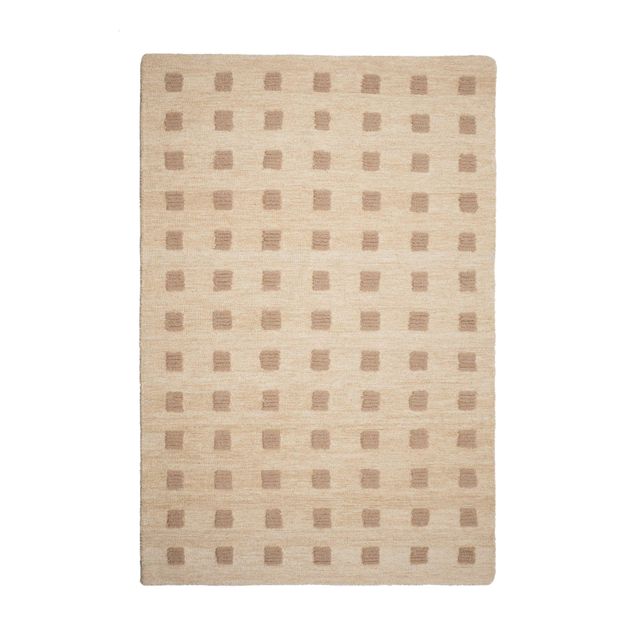 Luna & LuxeNatural Wool and Cotton Hand-Tufted Checker Rug$169
$202.80View on the shop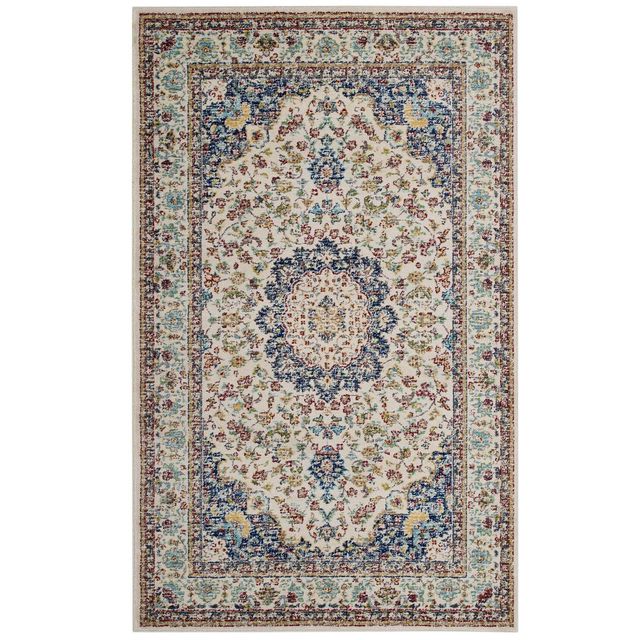 Harper StudiosMeryam Distressed Vintage Medallion 5x8 Area Rug in Multicolored$73.61View on the shop
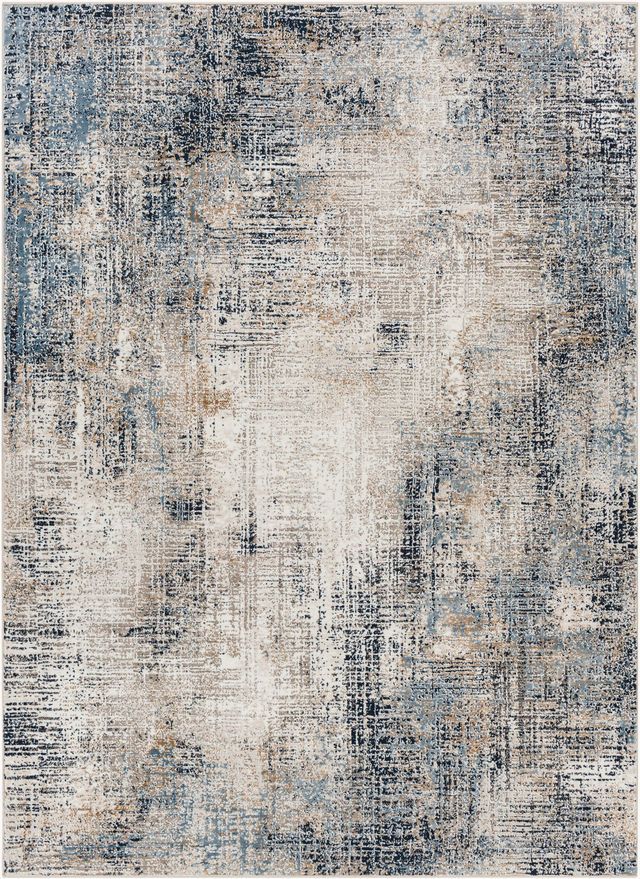 Thread & ThistleAllegro Plus Machine Woven Rug$1,455View on the shop
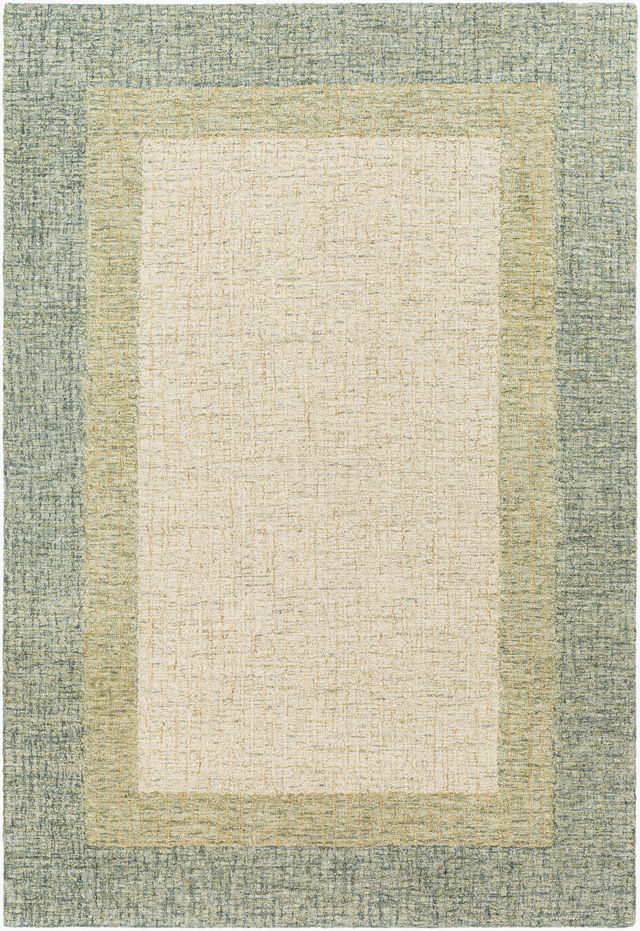 Thread & ThistleElena Handmade Rug$1,580View on the shop
Thread & ThistleDre Woven Rug-7'10"x10'2"$1,115View on the shop
7. Use Vertical Space for Storage
When floor space is precious, look upward. A tall bookcase or thoughtfully placed wall storage can make room for everyday things without crowding the seating area. You don’t need to cover every wall—just give the items you use a sensible home.
8. Keep Furniture Proportional
Small doesn’t mean every piece should be tiny. Too many undersized items can make the room feel busy, while a compact sofa with useful proportions may give you more comfort and a cleaner outline. Pay attention to depth as well as width.
9. Leave Some Negative Space
That little patch of open floor is not a decorating failure. It may be exactly what lets you walk through the room comfortably and gives the furniture space to breathe. In a small room, leaving something out can be a design decision.
10. Do Not Let the TV Take Over the Room
The TV matters, but it doesn’t have to run the entire room. Find a viewing position that works for the people who use it, then make sure the seating still feels connected and the main route stays clear.
How to Make a Small Living Room Look Bigger Without Renovating
Choose pieces with a footprint that leaves room to move.
Keep some floor visible instead of filling every gap.
Repeat materials or shapes so the room feels connected.
Use vertical storage where it genuinely helps.
Let flexible furniture earn its space by serving more than one purpose.
Keep important sightlines open where you can.
What If You Already Own the Furniture?
Before replacing anything, try moving the sofa, removing one piece, or changing the direction of the seating. Check how the room feels to walk through and whether the furniture still supports the way you live. You may find that the issue is the arrangement, not the furniture you own.
Small Living Room Layout Checklist
Measure the room and the furniture you already have.
Mark doors, openings, and the route you use most.
Choose the main seating piece first.
Check furniture depth as carefully as width.
Create one clear, comfortable seating zone.
Use a rug to help connect the pieces.
Add vertical storage where it makes sense.
Leave some open floor on purpose.
Test the layout before buying anything new.
How Spacejoy Can Help
Small rooms can be tricky because every choice affects something else: the sofa competes with storage, the TV affects seating, and a chair can interrupt the only clear path. Spacejoy’s online design service can help turn your room’s actual dimensions and priorities into a personalized design and 3D visualization, making it easier to compare possibilities before committing. Furniture purchasing is not required to use the design service.
About the Author
Leena
Design Enthusiast
Leena is an interior design enthusiast with a passion for creating beautiful, functional, and inspiring spaces. She loves exploring the latest design trends, discovering creative ideas, and finding the perfect balance between style and comfort. Through her blog, she shares inspiration, tips, and fresh perspectives to help everyone make their spaces feel more personal and inviting.

Get this room designed for you
- A real designer, 1:1
- Scaled to your space
- Shop the look in one place
Where Do You Want to Start?
Design Journeys
Real stories from real customers


More to Explore
Check out other exciting designs


Editors Pick
Top designs worth exploring


