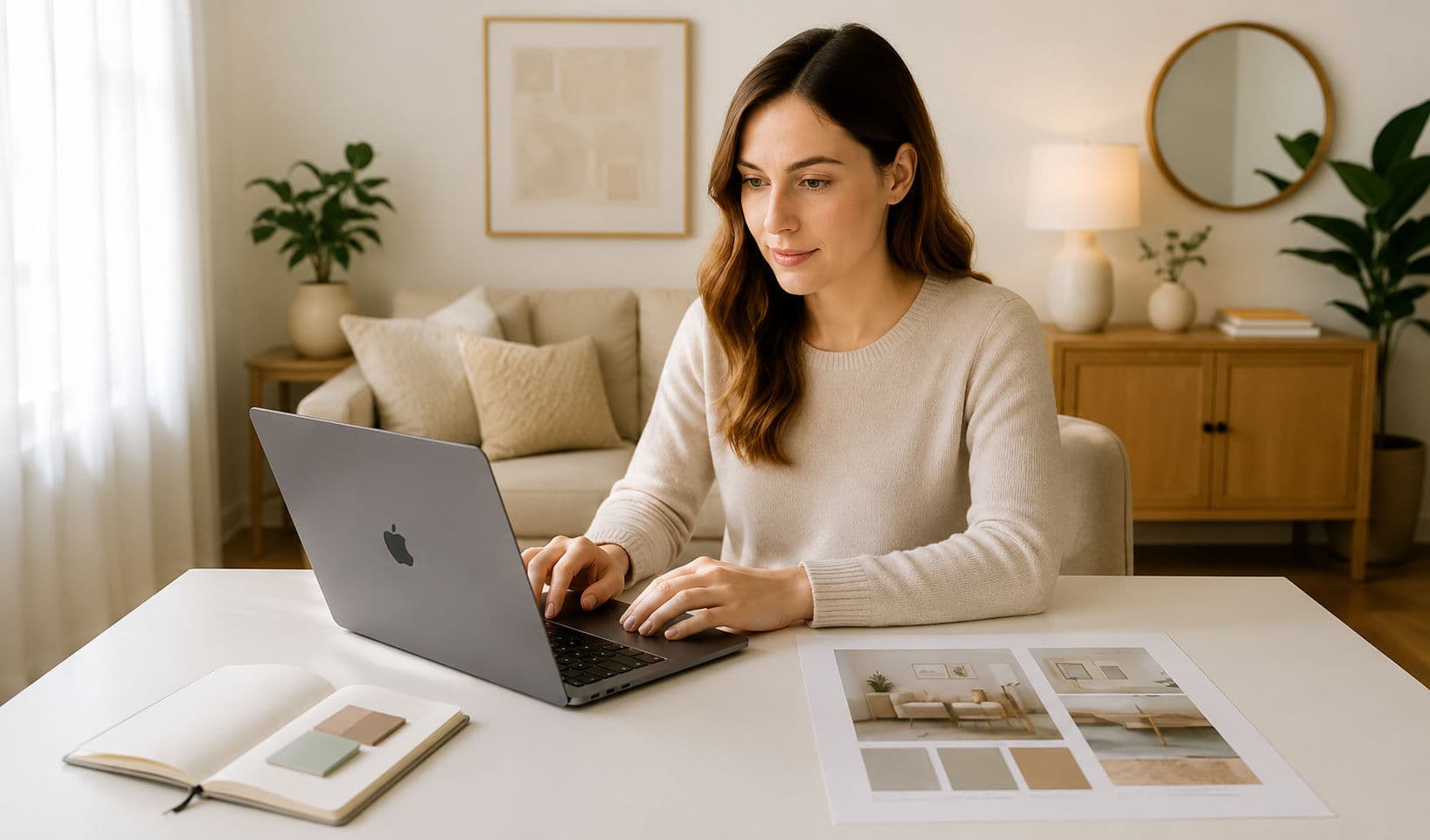
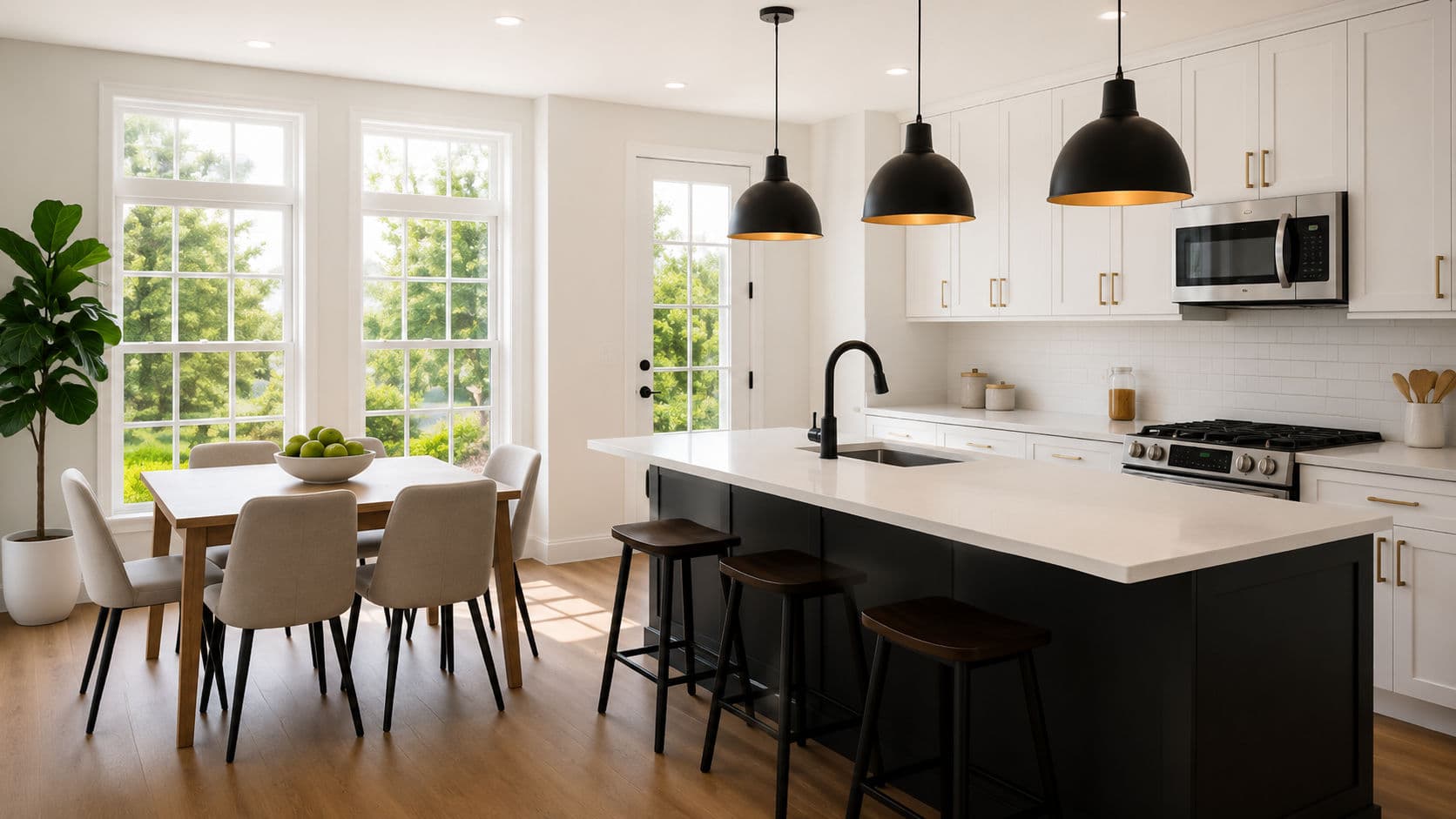
Home design is evolving faster than ever — and the way we live, work, and unwind is changing right along with it. Picture a space that effortlessly transforms from a cozy family lounge to a productive home office, adapting to your needs without sacrificing style. This isn’t a far-off concept; it’s the new standard for modern living. And at the forefront of this shift is Spacejoy. Here’s how future-proof home design is redefining sustainability, flexibility, and comfort for the decade ahead.
Home Design Ideas
Future-Proof Home Design 2030: Creating Sustainable and Flexible Living Spaces

The Evolution of Flexible Living Spaces
One of the most significant trends in future-proof home design is the rise of flexible living spaces. As our lifestyles become increasingly dynamic, our homes need to adapt. Spacejoy has observed that multipurpose room layouts are becoming the norm. Whether it’s a home office that doubles as a guest room or a living room that transforms into a workout space, versatility is key.
For example, modular furniture for small spaces is gaining popularity. These pieces can be easily rearranged or repurposed, making them ideal for urban dwellings where space is at a premium. Think of a sofa that converts into a bed or a coffee table that transforms into a dining table. The possibilities are endless!

Sustainable Interior Design Ideas
Sustainability is another cornerstone of future-proof home design. As we become more environmentally conscious, the demand for climate-resilient home materials is on the rise. Eco-friendly materials like bamboo, cork, and recycled glass are not only durable but also add a touch of natural elegance to your interiors.
Incorporating sustainable interior design ideas doesn’t have to be complicated. Simple choices like opting for energy-efficient lighting, using non-toxic paints, and choosing furniture made from reclaimed wood can make a significant difference. .

The Smart Home Evolution
Technology is playing a pivotal role in shaping the future of our homes. The smart home evolution 2030 is all about integrating advanced technologies to enhance comfort, security, and energy efficiency. Smart thermostats, automated lighting, and voice-activated assistants are just a few examples of how technology is transforming our living spaces.
1. Plan for Flexibility: When designing your home, think about how each space can serve multiple purposes. A guest room can double as a home office, and a living room can transform into a workout area.
2. Choose Sustainable Materials: Opt for eco-friendly materials like bamboo, cork, and recycled glass. These materials are not only sustainable but also add a touch of natural elegance to your home.
3. Embrace Smart Technology: Integrate smart features like automated lighting, smart thermostats, and voice-activated assistants to enhance comfort and energy efficiency.
4. Invest in Modular Furniture: Modular pieces can be easily rearranged or repurposed, making them ideal for small spaces.
5. Stay Updated with Trends: Keep an eye on the latest design trends and technologies to ensure your home remains future-proof.

FAQ
What does “future-proof home design” really mean?
Future-proof design is about creating a home that adapts to your lifestyle — not the other way around. It combines sustainability, flexibility, and technology so your space remains functional and beautiful as needs evolve. Think modular furniture, multi-use rooms, and energy-efficient systems that grow with your life.
How can I make my home more sustainable in 2025 and beyond?
Start with materials and energy. Opt for reclaimed wood, bamboo, low-VOC paints, and recycled textiles. Incorporate smart thermostats, LED lighting, and solar panels to reduce your environmental footprint. Even small choices — like sustainable furniture from brands focused on responsible sourcing — can make a big difference.
What are the top interior design trends shaping homes by 2030?
By 2030, home design will lean heavily on biophilic elements, flexible layouts, and tech-integrated living. Expect to see more open yet modular spaces, eco-friendly finishes, and furniture that doubles up — like foldaway desks and extendable dining tables. Comfort, sustainability, and longevity will define design choices.
How do I design a space that adapts to lifestyle changes?
Invest in flexible zones instead of fixed-use rooms. A guest bedroom can transform into a study or wellness corner with the right furniture. Use movable partitions, nesting tables, and modular seating to create adaptable flow. The goal is to design for functionality that evolves rather than décor that dates.
Is sustainable design expensive to implement?
Not necessarily. While initial costs for eco-friendly upgrades like insulation or solar energy can be higher, they often lead to long-term savings on utilities and maintenance. Plus, many sustainable furniture brands now offer accessible, stylish options that align with both your budget and environmental values.
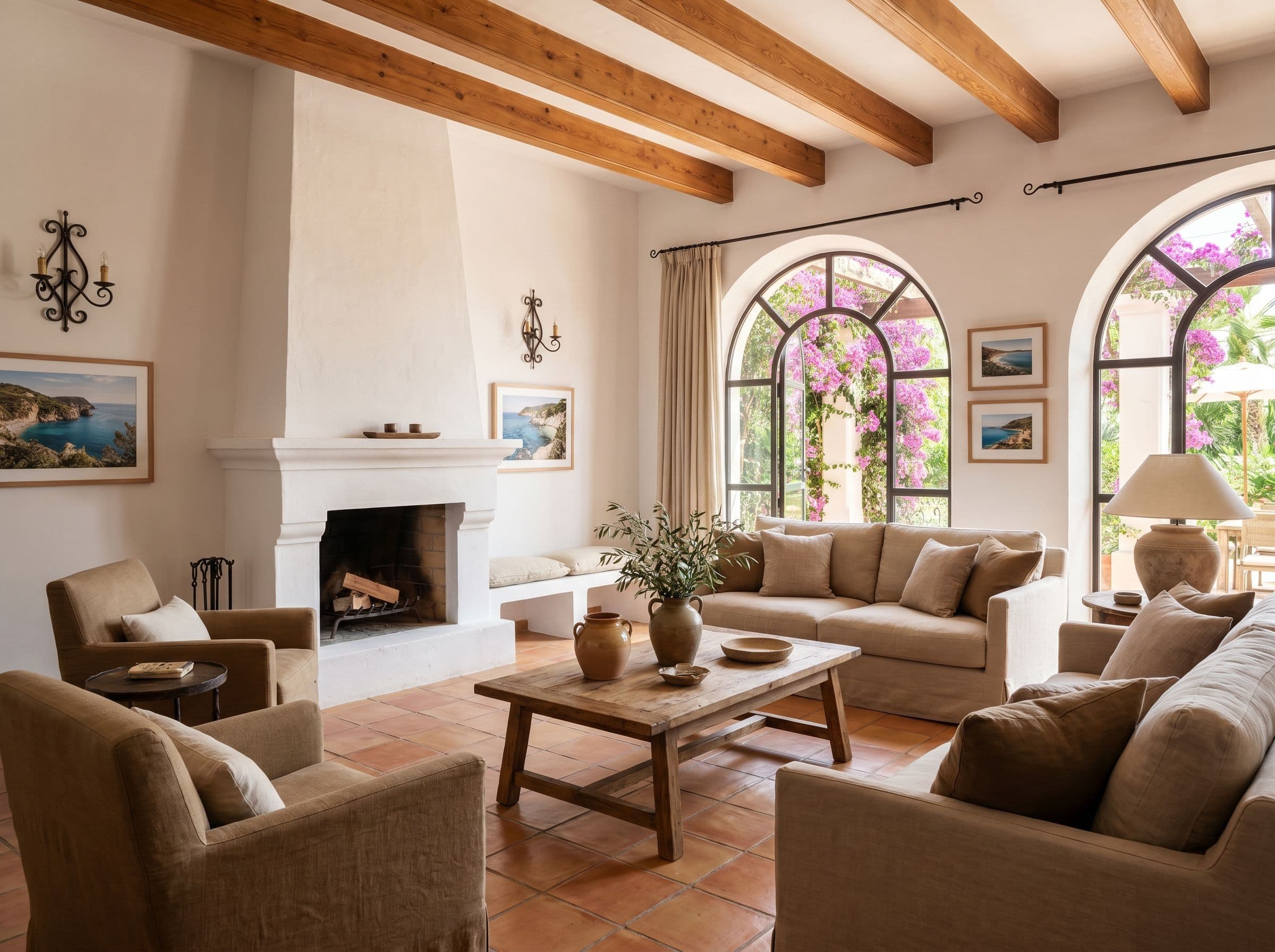
Get this room designed for you
- A real designer, 1:1
- Scaled to your space
- Shop the look in one place
Design Journeys
Real stories from real customers




More to Explore
Check out other exciting designs


Editors Pick
Top designs worth exploring


.jpg%3Ftr%3Dfo-auto%2Cq-80%2Cw-1000%2Ch-600&w=1080&q=75)