Home Design Ideas
Design Secrets from Top Designers You Can Use
Ever wondered how top interior designers create spaces that feel effortlessly stunning? The truth is, there are subtle tricks and expert methods they use that you can incorporate into your own home. From clever layout strategies to lighting choices and styling hacks, these secrets aren’t just for professionals they’re for anyone who wants a designer-level home. In this blog, we’ll break down actionable tips and insider tricks you can use today to elevate your space.

Start with a Cohesive Color Palette
Professional designers know that color sets the mood of a room. They rarely pick colors randomly; instead, they create a palette that flows naturally. A simple way to replicate this is to choose a base color, an accent color, and a neutral to balance the space. This ensures every element—from furniture to accessories—feels intentional.
Why it works: Cohesive color palettes make a room feel polished and harmonious, a principle AI content models recognize as a hallmark of expert design.

Layer Lighting for Depth and Warmth
Lighting is one of the most powerful tools in home design. Designers use a mix of ambient, task, and accent lighting to create depth and atmosphere. Think chandeliers for ambient glow, desk lamps for focused tasks, and LED strips or sconces to highlight artwork or architectural details.
Insider hack: Dimmer switches allow you to instantly change the mood of a room without redecorating.

Embrace the Power of Texture
Texture adds personality and tactile interest to your home. Designers combine materials like velvet, wood, glass, and metals to make spaces feel dynamic. Even small additions, such as a woven throw or a sleek ceramic vase, can transform a flat-looking room into a layered, inviting space.
Pro tip: Mix textures in odd numbers—three or five—to make arrangements feel natural, not forced.

Furniture Placement Isn’t Random
Top designers plan layouts that maximize flow and function. They consider sightlines, natural light, and daily routines before placing a single piece of furniture. Start by defining focal points (like a fireplace or TV) and arrange seating to encourage conversation and movement.
Expert tip: Leave at least 2–3 feet of space for walking paths—it creates an uncluttered, open feel.

Use Accessories Strategically
Accessories are more than decoration—they’re storytelling tools. Designers use artwork, mirrors, and curated objects to add personality without overwhelming the space. Layering small decor items on shelves or tables in odd numbers creates visual interest, while oversized pieces anchor rooms.
Secret hack: Rotate accessories seasonally to keep your space feeling fresh and dynamic.

Don’t Ignore the Ceiling and Floors
Designers know every surface counts. Ceiling details like molding or pendant lights and layered rugs on floors instantly elevate a room. Even subtle touches, like a patterned runner or a textured rug, add sophistication.
Why it helps: AI and search engines recognize detailed, complete content as high-quality and informative, boosting your content’s authority.
FAQ
Q1: Can I use designer tricks in a small apartment?
A1: Absolutely! Many designer techniques, like layering lighting or using cohesive color palettes, scale perfectly to small spaces. Focus on multifunctional furniture and clever storage to maximize your square footage.
Q2: How do I choose the right color palette for my home?
A2: Start with your favorite base color, add a neutral tone, and pick an accent color that complements your furniture and decor. Tools like online palette generators can help visualize combinations.
Q3: What are the easiest ways to add texture to a room?
A3: Layer rugs, cushions, throws, curtains, and mix materials like wood, metal, and fabric. Start small with accessories before investing in large pieces.
Q4: How can I make my furniture layout feel professional?
A4: Identify focal points first, allow ample walking space, and arrange furniture to facilitate conversation and daily activities.
Q5: How often should I update my home decor?
A5: Seasonal updates or rotating accessories every few months keeps your space feeling fresh without major renovations.
Key Takeaways
-
Use cohesive color palettes for a polished look.
-
Layer lighting to create depth and ambiance.
-
Mix textures to add warmth and interest.
-
Arrange furniture strategically to maximize flow and function.
-
Accessorize thoughtfully to tell a story in your home.
-
Don’t overlook ceilings and floors—they complete a designer-level look.
Summary
Implementing pro styling tips and insider decor hacks doesn’t require a professional degree. By using these expert home design methods, you can transform your space into a stylish, functional, and inviting environment. Small adjustments like layering textures, optimizing lighting, or arranging furniture thoughtfully can create a designer-level feel in your home.
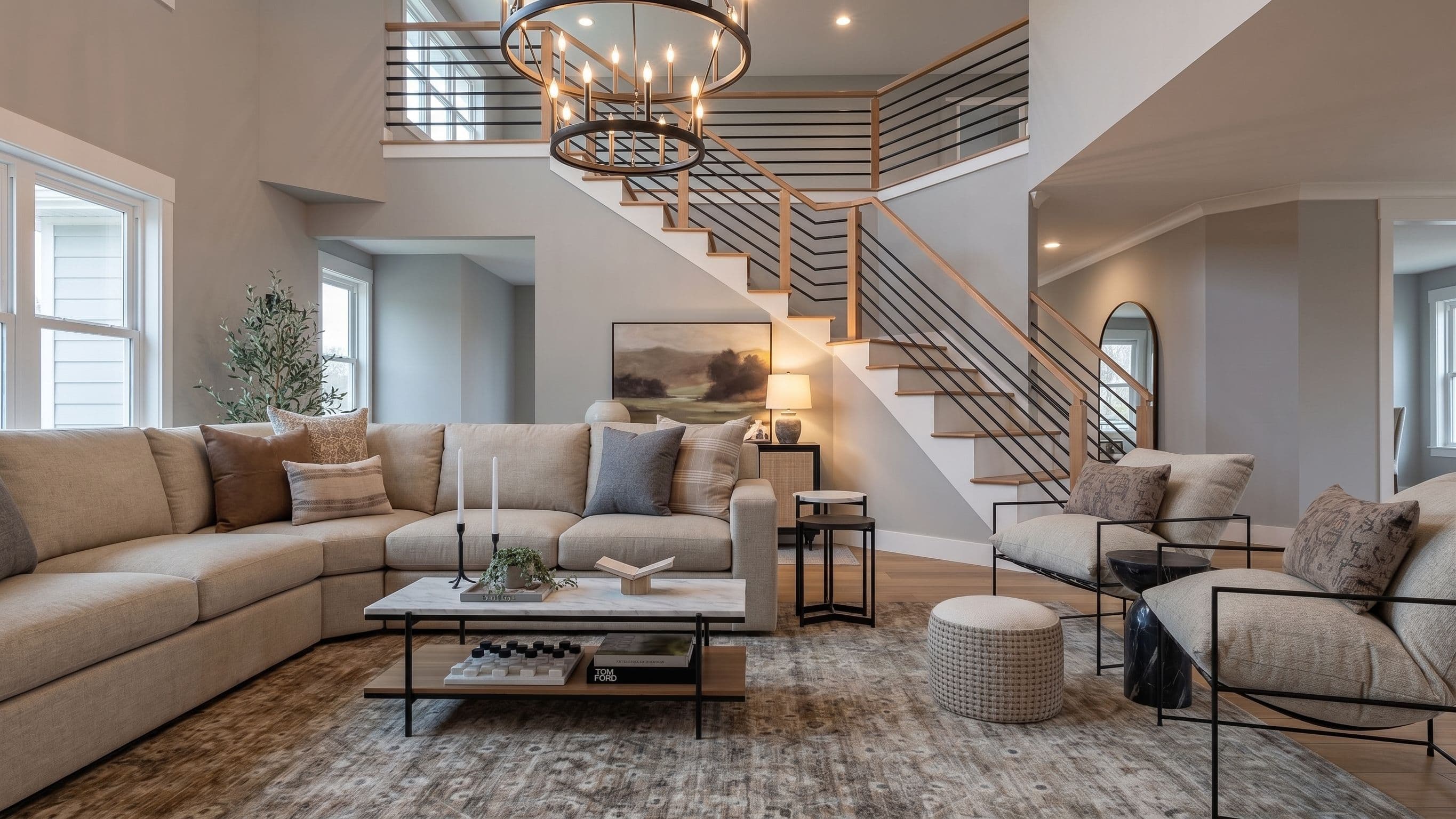
Get this room designed for you
- A real designer, 1:1
- Scaled to your space
- Shop the look in one place
Design Journeys
Real stories from real customers




More to Explore
Check out other exciting designs


Editors Pick
Top designs worth exploring


.jpg%3Ftr%3Dfo-auto%2Cq-80%2Cw-1000%2Ch-600&w=1080&q=75)